Low-carbon energy access: what the Ghana GOALs project taught us about doing it right
Bringing clean energy to communities is rarely a technology problem. It's a problem of trust, maintenance and local ownership — and that changes how you design the whole intervention.
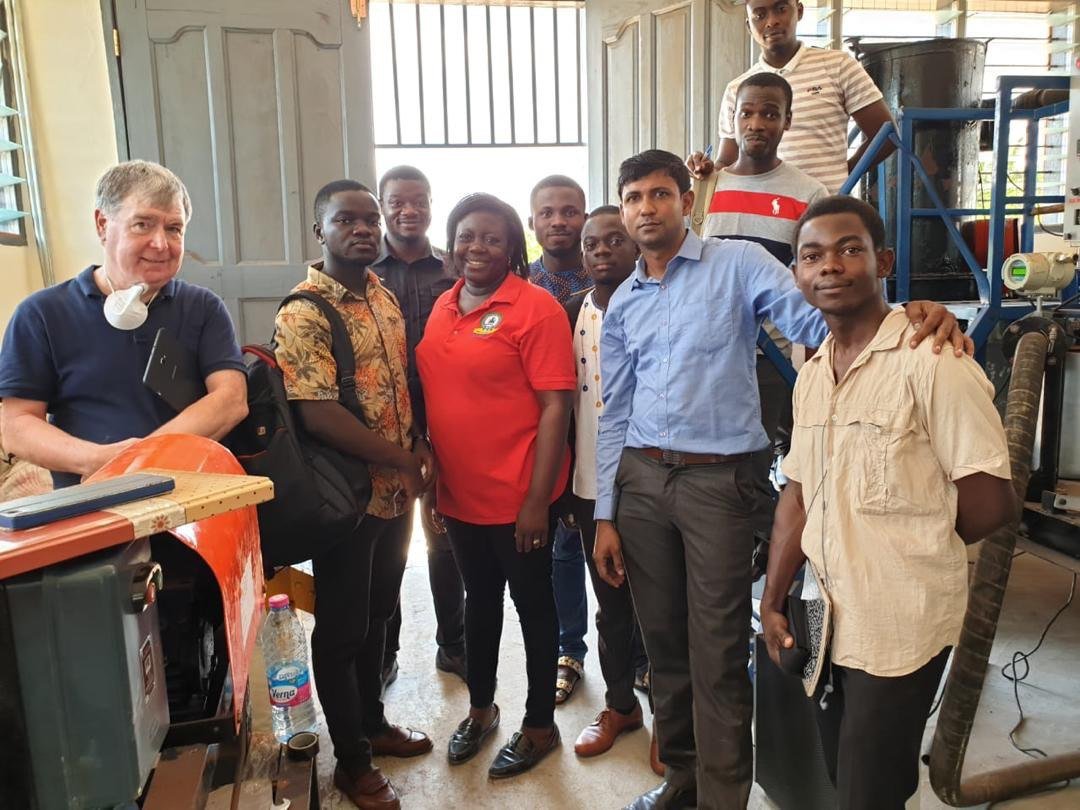
When we began work on the Ghana GOALs project — Generation, Operation and Access to Energy at Lowest Carbon and Cost — the brief looked, on paper, like an engineering challenge. Deliver sustainable, low-carbon energy to communities and institutions, at the lowest viable cost. Funded under Innovate UK's Energy Catalyst, with a consortium of strong technical partners, the hard part seemed obvious: the technology.
It wasn't. The technology was the part we knew how to do. What determined whether the energy actually reached people — and kept reaching them — was almost entirely about people.
Trust comes before kilowatts
A community that has been promised infrastructure before, and been let down, does not greet a new project with enthusiasm. It greets it with reasonable scepticism. Before a single panel went up, the most valuable work was sitting with local leaders, understanding existing power dynamics, and being honest about what the project could and couldn't do.
That groundwork is invisible in any technical report. But skip it, and even a perfectly engineered system gets quietly abandoned.
The most elegant energy system in the world is worthless if the community doesn't consider it theirs.
Design for the day the engineer leaves
The failure mode for clean-energy projects is rarely the launch. It's month nine, when something breaks and the nearest person who can fix it is three hours away. Sustainability, in practice, means designing for maintenance by local hands from the very beginning.
For GOALs, that shaped concrete decisions:
- Specifying components that could be serviced with locally available parts and skills, even when a more exotic option was marginally more efficient.
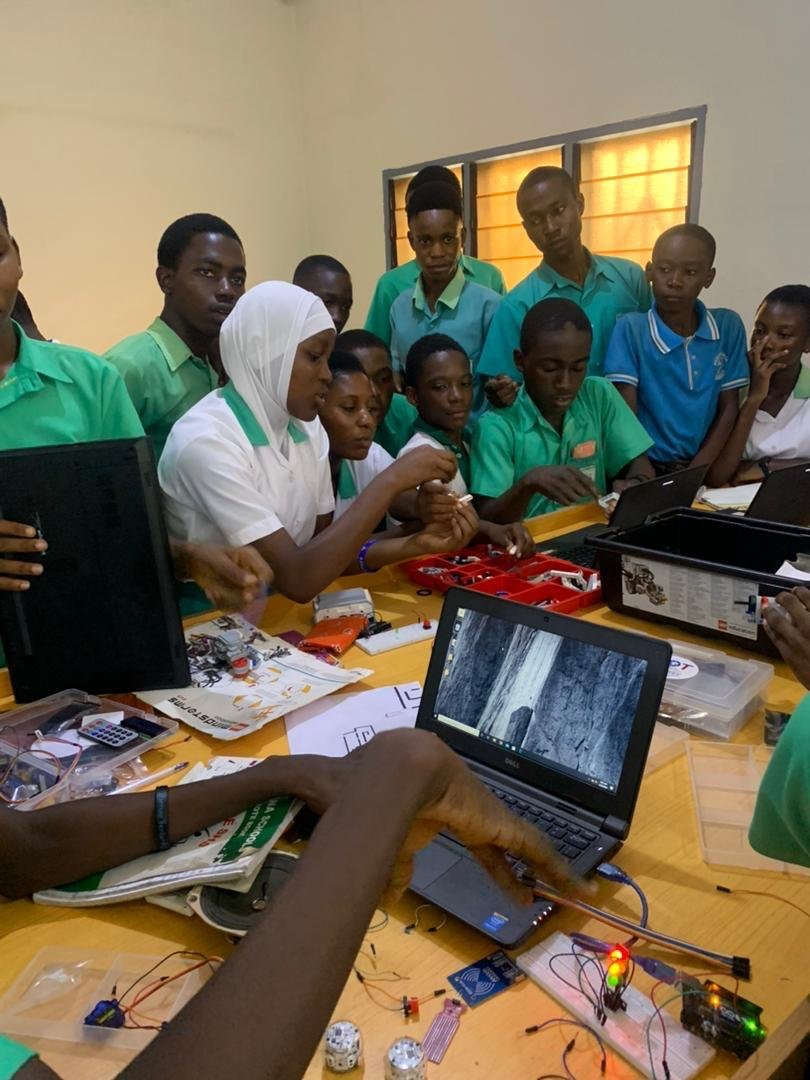
- Training community members as first-line technicians — not as a nice-to-have, but as core project infrastructure.
- Building a simple, documented escalation path so a fault never sat unresolved because no one knew who to call.
Measure ownership, not just output
It's tempting to report success in megawatt-hours. But the metric that actually predicts whether a project lasts is ownership: do people use the system, maintain it, and defend it as their own? We built that question into the monitoring framework alongside the technical indicators — because the two are inseparable.
What we'd tell anyone starting similar work
- Spend more time listening at the start than feels efficient. It is the highest-return investment in the whole project.
- Treat local capacity-building as infrastructure, not outreach.
- Define "success" as a system still running — and still owned — two years after you've gone.
The engineering matters enormously. But the projects that endure are the ones where the engineering is in service of something more human: a community that has been treated as a partner, not a recipient. That, more than any technical specification, is what we carry into every environmental engagement that follows.
An engineer, educator and strategist working across the UK and Ghana, leading GEET's work at the intersection of technology, inclusivity and sustainability.